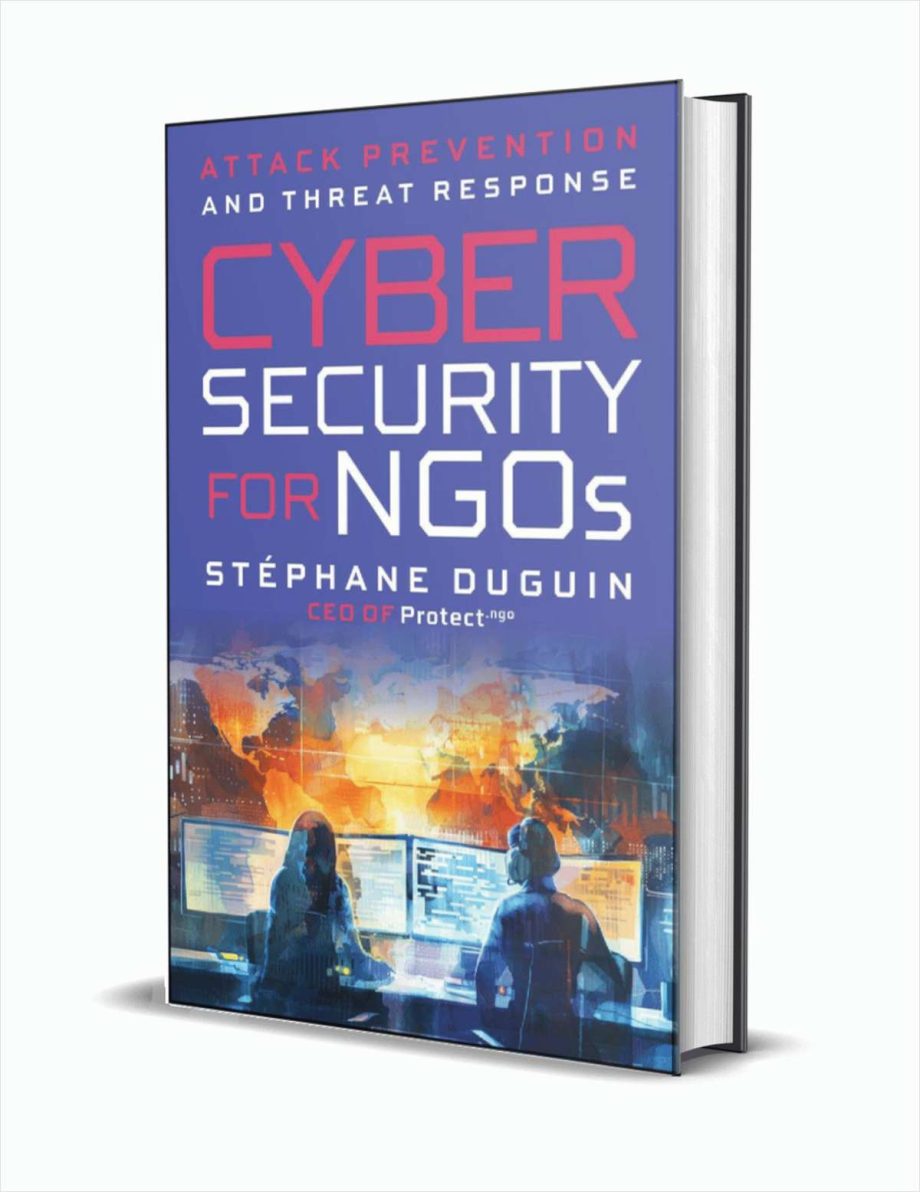
Giveaway: https://www.tradepub.com/free/w_wile937/
Download: w_wile937.pdf
Offered Free by: Wiley
Nonprofits and NGOs handle sensitive donor data, vulnerable community information, and critical operational records every single day, yet they are consistently among the most underfunded organizations when it comes to digital security. Cybersecurity for NGOs: Attack Prevention and Threat Response is a practical, no-nonsense e-book that bridges that gap. Normally priced at $30.00, it is available completely free for a limited time, making professional-grade cybersecurity knowledge accessible to every mission-driven organization regardless of budget.
Key features
- NGO-specific threat landscape: Covers the unique attack vectors that target nonprofits, including phishing campaigns aimed at charity donors and socially engineered intrusions designed to exploit trust.
- Attack prevention frameworks: Provides step-by-step guidance on hardening endpoints, securing email systems, and implementing multi-factor authentication without enterprise-level IT budgets.
- Incident response playbooks: Walks teams through structured response procedures so that, when a breach happens, staff know exactly what to do and in what order.
- Staff awareness training guidance: Includes ready-to-use talking points and awareness checklists to help non-technical staff recognize social engineering and malware delivery attempts.
- Data protection best practices: Addresses GDPR, donor confidentiality, and secure data storage in a way that is readable for non-legal professionals.
- Cloud and remote work security: Tackles the growing reality that NGO teams work from multiple locations, covering VPN use, cloud storage hygiene, and video conferencing security.
- Low-cost tooling recommendations: Points readers toward free and open-source security tools that are proven, maintained, and realistic for resource-constrained organizations.
Who is it for
This e-book is ideal for NGO directors and operations managers who need to protect their organizations without a dedicated IT department. Volunteer IT coordinators will find the practical checklists immediately useful. Grant writers and compliance officers can use the data-protection sections to strengthen funding applications that require demonstrated security practices. Small nonprofit teams that wear multiple hats and cannot afford expensive consultants will get the most value here, since every recommendation is framed around limited resources and maximum impact.
How it compares
- SANS Security Awareness Training: A comprehensive enterprise platform well known for its depth and instructor-led courses, but it is built for large organizations with dedicated security budgets, making it far less accessible for small NGOs.
- Coursera Cybersecurity Specializations: University-backed online courses that offer rigorous academic grounding, but they require weeks of commitment and subscription fees that can be a barrier for volunteer-run teams.
- Google's Phishing Quiz and Security Checkup: Free interactive tools that are excellent for awareness, but they cover only narrow slices of the threat picture and offer no incident response guidance.
- NIST Cybersecurity Framework documentation: The authoritative reference standard used by governments and large enterprises, but its length and technical vocabulary make it inaccessible without professional translation for most NGO staff.
- Cybrary free cybersecurity courses: A popular online learning platform with solid foundational content, though its material is generalized for all industries rather than tailored to the nonprofit context.
- TechSoup Digital Security resources: A nonprofit-focused resource hub that aggregates security guidance, useful for broad orientation but lacking the structured, end-to-end playbook format found in a dedicated e-book.
Cybersecurity for NGOs sits in a practical middle ground: more focused than a course platform, more readable than a government framework, and more actionable than a resource hub. It is the right pick for any NGO staff member who needs a single, digestible reference that covers both prevention and response without requiring prior technical expertise.