Giveaway: https://www.tradepub.com/free/w_wile926/
Download: w_wile926.pdf – mirror
Offered Free by: Wiley
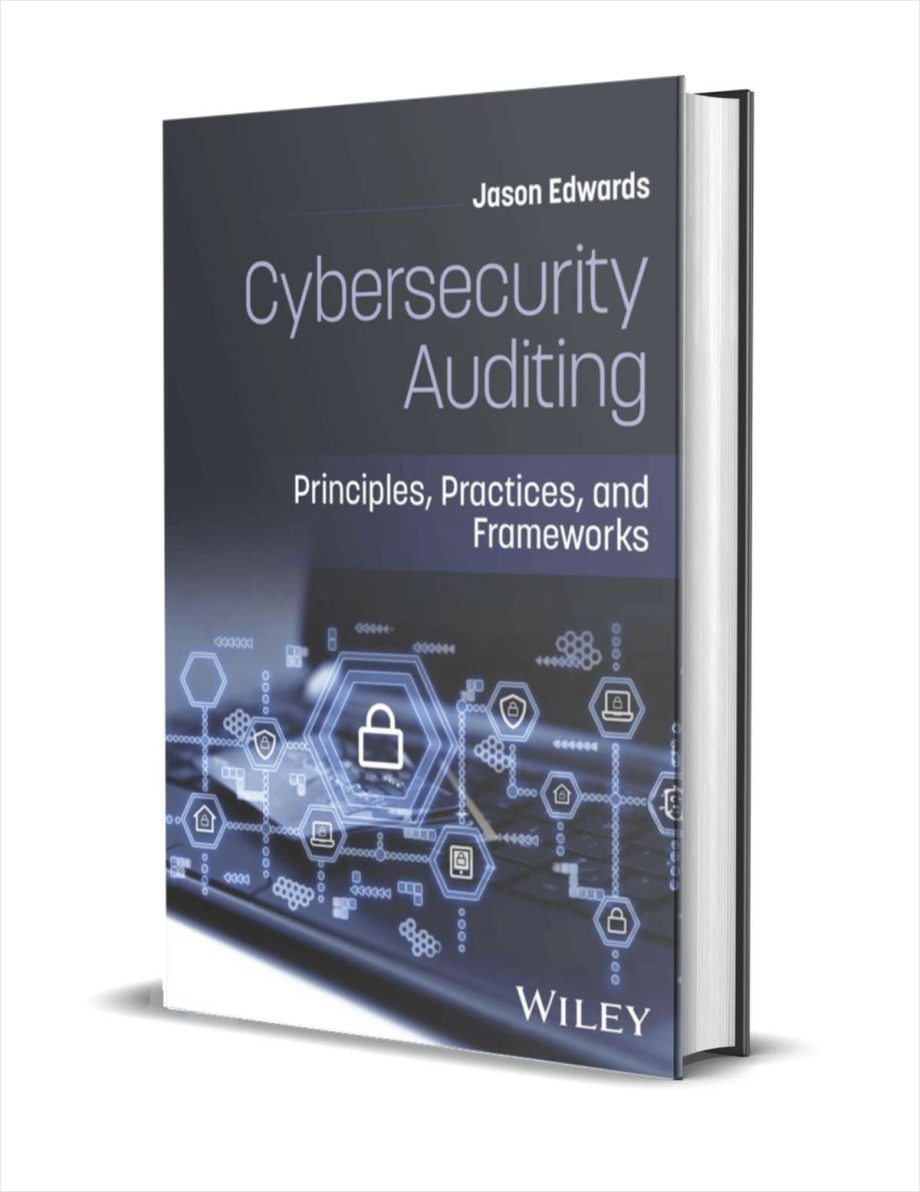
Strong cybersecurity does not happen by accident. It is the result of disciplined auditing, repeatable processes, and a firm understanding of industry frameworks. Cybersecurity Auditing: Principles, Practices, and Frameworks brings all of that together in one comprehensive eBook, and right now you can claim it at no cost. This is the kind of structured, practical resource that security teams and compliance officers typically pay top dollar for, making this free window a genuine opportunity worth acting on quickly.
Key features
- Comprehensive framework coverage: Explores widely recognized standards including NIST, ISO 27001, and COBIT so you can align audits with the benchmarks that matter to stakeholders and regulators.
- Step-by-step auditing methodologies: Walks through planning, fieldwork, evidence collection, and reporting in a logical sequence that mirrors real-world engagements.
- Risk assessment techniques: Teaches you how to identify, score, and prioritize vulnerabilities so your organization focuses remediation efforts where they count most.
- Compliance and regulatory guidance: Covers how audit findings map to requirements such as GDPR, HIPAA, and PCI-DSS, bridging the gap between technical controls and legal obligations.
- Practical checklists and templates: Provides ready-to-use audit checklists that cut preparation time and reduce the risk of overlooking critical control areas.
- Incident response integration: Explains how auditing feeds into and strengthens your incident response and business continuity planning.
- Clear, jargon-light writing: Balances technical depth with accessible language, making the material useful to both seasoned professionals and those newer to the field.
Who is it for
This eBook is an excellent fit for a broad range of readers. IT auditors and compliance officers will appreciate the structured methodology and framework alignment, which translate directly into better audit reports and fewer regulatory surprises. Security analysts and engineers looking to move into governance or audit roles will find the foundational coverage invaluable for bridging the gap between technical work and organizational risk management. Small business owners and IT managers without a dedicated security team can use this guide to perform basic self-assessments and identify the highest-priority gaps before engaging external auditors. Students and certification candidates preparing for credentials such as CISA, CISSP, or CompTIA Security+ will benefit from the real-world context that textbooks often lack. In short, if cybersecurity governance, risk, or compliance touches any part of your work or career goals, this resource belongs in your library.
How it compares
- CISA Review Manual (ISACA): The gold-standard study guide for the Certified Information Systems Auditor exam, known for its rigorous exam-focused structure, though it is primarily a certification prep tool rather than a broad practical auditing reference.
- CompTIA CySA+ Study Guide: A well-regarded resource focused on threat detection, behavioral analytics, and security operations, making it more SOC-oriented than governance or audit-centric.
- “IT Auditing” by Chris Davis and Mike Schiller: A respected hands-on reference for IT audit practitioners that dives deeply into specific technology environments such as Windows and Unix, with less emphasis on cross-framework alignment.
- Cybersecurity and Cyberwar by P.W. Singer and Allan Friedman: A highly accessible, widely read overview of the cybersecurity landscape aimed at a general audience, offering context and policy perspective rather than auditing technique or framework guidance.
Cybersecurity Auditing: Principles, Practices, and Frameworks sits in a practical middle ground: it is more accessible than the ISACA manual, more governance-focused than the CySA+ guide, and more framework-driven than environment-specific IT audit handbooks. It is the right pick for professionals who need a single, structured reference that covers auditing methodology, major frameworks, and compliance mapping without committing to a single certification track or technology stack.